
kitchen garden tips
10 tips to grow food that fits into your everyday routine

Last week over dinner, my boyfriend says to me plainly, “So, I have some bones to pick with your Substack today.”
Me: “excuse me?!”
I subscribed him against his will, and didn’t think he actually read them. Turns out he does. But, I indulge him.
“Firstly, you didn’t mention that those were our carrots!”
It’s true — all those carrots featured in the carrot cake overnight oats were grown in our garden.


We planted them in the fall and, admittedly, kind of forgot about them until spring. A couple weeks ago we pulled up dozens of carrots. Since then: roasted carrots, raw carrot sticks, carrot cake cupcakes (Half Baked Harvest — highly recommend), carrot cake overnight oats, grated carrot in salads (even tuna salad!), and probably more I’m forgetting.
So this week, I’m doubling down on the garden report and sharing my top 10 tips for growing food in your backyard.
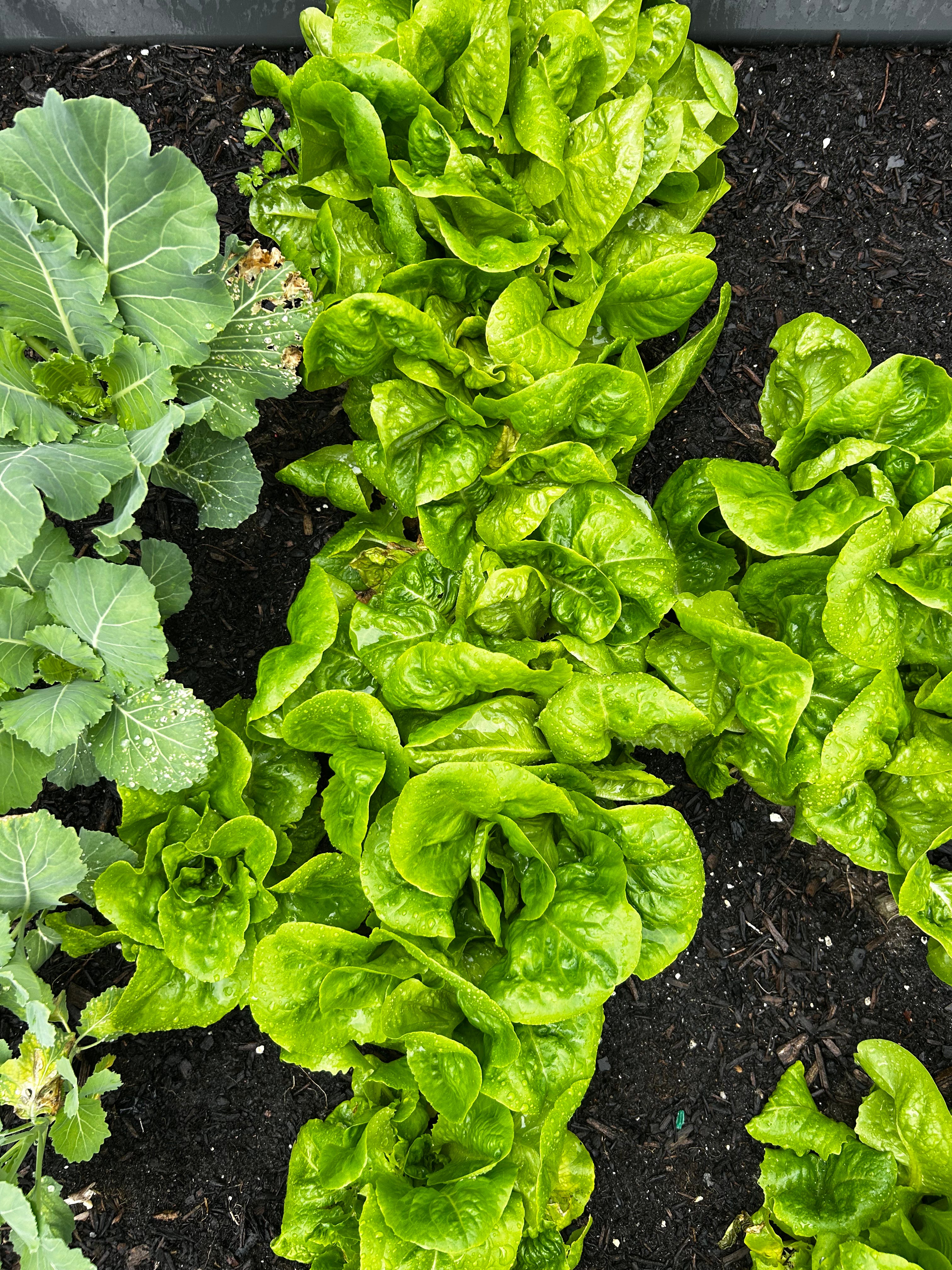
A peek into our garden: over the winter we had broccoli, carrots, beets, collards, Brussels sprouts (very slow growing), and some late-February Buttercrunch lettuce. Now, heading into spring, we’ve got tomatoes, a variety of peppers, parsley, basil, zucchini, corn (trial run!), green beans, and watermelon on the way.
I’ve gardened and farmed all over, from New England to Costa Rica, and honestly, South Carolina (zone 9a!) might be my favorite. The growing season is long, the variety is endless, and things just… grow.
From urban farms to jungle permaculture to pots of spinach on a back stoop, I’ve spent the past decade figuring out what actually works — what’s worth the effort, what isn’t, and how to make growing your own food feel doable (not overwhelming).
1. Grow what you actually eat (not what looks cute on Pinterest)
Sounds obvious, but this is where most people go wrong. If you don’t regularly cook eggplant, don’t grow eggplant. Start with what you already reach for every week — herbs, salad greens, tomatoes, peppers. Your garden should support your real life. Take it from someone whose grown a few too many pounds of Easter Egg radishes…
2. Don’t leave empty space — pair your plants
Nature doesn’t do perfect rows, and you don’t have to either. Tuck fast growers (like lettuce or herbs) between slower crops (like tomatoes or peppers). You’ll get more food from the same space, and your garden will look fuller, faster. For example I currently have basil surrounding tomato plants and parsley shooting up next to greens.
3. Start smaller than you think you need
It’s very common to be overly ambitious in April. A few well-tended plants will give you more food (and satisfaction) than a big, neglected garden. For example, a single zucchini plant can yield over 10 pounds of fruit (or, at their peak, 3-5 zucchinis per week). So, you do the math. You can always expand later—success builds motivation!
4. Focus on high-reward crops
Some things just aren’t worth the effort (I said it). Potatoes take up a ton of space. Cauliflower is finicky. But crops like herbs (parsley, basil, dill, cilantro), lettuce, cherry tomatoes, carrots and peppers will give you consistent wins.
5. Think in seasons, not just summer
Most people only think about gardening in June… but some of the best crops grow in cooler months. Carrots, greens, broccoli, and beets thrive in fall and winter (especially here in South Carolina). Our carrot situation is proof that sometimes the low effort crops are the best ones.
6. Water deeply, but less often
A quick daily sprinkle trains your plants to have shallow roots (and makes them more fragile). Instead, water deeply a few times a week so roots grow down and plants become more resilient. It’s less work and better for the plant.
7. Herbs are the easiest place to start
If you’re new to gardening, start here. Basil, parsley, mint, chives—they grow quickly, don’t take up much space, and instantly upgrade your meals. Even a single pot of herbs counts as a garden.
8. Harvest often (even when it feels early)
The more you harvest, the more many plants will produce. Herbs, lettuce, beans—these all benefit from regular picking. Waiting too long can actually slow things down or make things bitter.
9. Start before you feel ready
You don’t need the perfect setup, perfect soil, or a full plan to begin. Most people wait until they feel “ready” and end up missing an entire growing season. Start with one pot, one bed, or a few windowsill herbs. You’ll learn more by doing than by researching, and confidence comes from seeing things grow. Gardening is one of those things you figure out as you go, not before.
10. Make it part of your routine, not another task
The garden works best when it fits into your life. Check on it while your coffee brews, grab herbs while making dinner, water while you’re already outside. It doesn’t have to be a whole production.
Bonus: Diversify (this is where it gets fun)
This is your chance to try new varieties of plants and herbs that you eat but don’t commonly see at the grocery store. Rainbow carrots, patty pan squash, Thai Sweet basil, yellow beets — these make gardening all the more fun and your meals more interesting. Experimentation is part of the process!
Lastly, remember: there will be some failures (and that’s normal).
Every gardener loses something. Pests, weather, timing—they’re not always working with you. It doesn’t mean you’re bad at this or don’t have a “green thumb.” It just means you’re doing it.
Focus on what is growing instead of what didn’t make it, and take notes for next year :)